

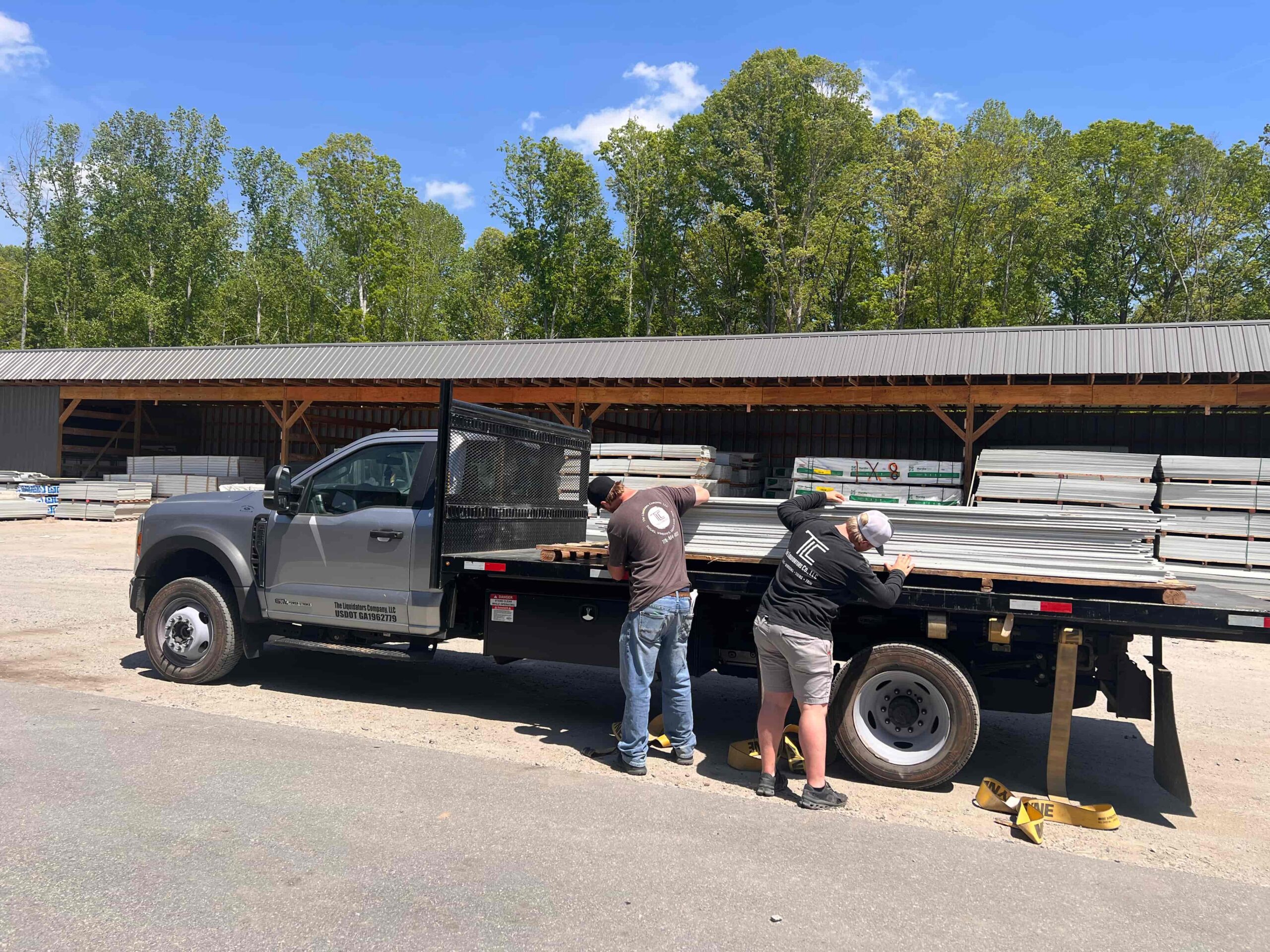
You can cut material costs without cutting quality. Buy from local suppliers, ask about overstock and discontinued items, plan your full project before ordering, avoid over-specifying, and measure carefully. Most waste in renovation budgets comes from decisions made too early or too late.
Renovation budgets go further when you make good decisions before you spend anything. The difference between a project that stays on budget and one that doesn’t usually isn’t luck. It comes down to when you plan, where you buy, and what you ask.
The most expensive mistake in renovation is buying in pieces.
When you buy materials a little at a time, you often pay full price each trip. You buy the wrong amount. You end up with leftovers you can’t return and gaps you have to fill at the last minute.
Before you spend anything, list every material the project needs. Include dimensions, quantities, finishes, and any special needs. A complete list helps you buy smarter, compare prices, and catch problems before they cost you.
Big-box stores are easy to find. But they’re not always the best deal.
Local building materials suppliers often carry strong quality at equal or lower prices. They stock products that work well in the region. In North Georgia, that matters. Homes here deal with heat, humidity, and seasonal changes that affect how materials hold up.
When you talk to someone at a local supplier, you’re talking to someone who knows the products. They can help you avoid buying too much, point you toward a practical option, or catch a problem before you commit. That kind of help saves money.
Suppliers regularly have products they need to move. Overstock from large orders. Items being discontinued. Seasonal inventory that didn’t sell.
These products are not defective. They’re often the same quality as full-price items. They’re just priced lower because the supplier needs to clear them out.
You won’t always find these listed online. Ask directly. If you’re flexible on color, finish, or exact size, you have a lot more options. Many homeowners doing interior work find what they need in overstock trim, discontinued cabinet styles, or flooring being phased out.
One of the most common ways people overspend is buying more than the project calls for.
This comes up a lot with doors. A homeowner replacing an interior bedroom door doesn’t need the same specs as someone replacing a front entry door. Getting clear on the actual use helps you buy the right product at the right price.
The same applies to flooring, trim, siding, and most other materials. Ask what level of durability or finish is actually needed for this specific spot. Then buy to that standard.
Material waste hurts budgets in two ways.
The first is buying too little and reordering. Reorders can come from a different production run, which may mean slight color or finish differences. They also add time and cost. Measuring right the first time prevents this.
The second is buying too much with no way to return it. Some materials have strict return rules. If you over-order by a lot, you’re leaving money behind.
Measure carefully. Add the standard waste amount for each material type. Confirm your quantities with the supplier before you order. For interior doors especially, accurate rough opening measurements matter. A wrong measurement means a reorder, a delay, and more cost.
Custom materials cost more and take longer. That’s not a reason to avoid them when you need them. It is a reason to confirm you actually need them before you order.
Standard sizes exist because most homes are built to common dimensions. If your openings are standard, you can likely find what you need in stock. Stock products cost less and arrive faster.
Custom sizing makes sense for older homes with non-standard openings or specific design needs. But check that it’s actually needed before you commit. At The Liquidators Company, we have an on-site custom door shop. If a standard product needs a small change to fit, we can often handle that without a full factory order. That keeps lead times shorter and costs lower.
Material costs go up when the project order is off.
If you order before prep work shows what you’re dealing with, you may end up with the wrong product. If you order too early and the project stalls, materials can get damaged in storage.
The right order: scope the full project, take measurements, confirm the plan, then order. For anything with lead time, count back from when you need it on site. This is especially true for exterior doors and windows. Stock items are often ready quickly. Custom or special-order items need more time. Knowing that upfront keeps the project moving.
For anything that needs to match closely, like trim and molding, flooring, or tile, buy a small extra amount from the same production run. If you need to repair or extend the work later, matching gets much harder once the product changes. A small overage now is almost always cheaper than finding a match later.
Start with a complete material list before you buy anything. Buying in pieces leads to over-ordering, missed deals, and last-minute purchases at full price. When you know exactly what the project needs, you can compare options, ask about overstock, and avoid waste.
Often, yes. Local suppliers often carry strong quality at similar or lower prices, and they stock products suited to the area. They can also help you avoid over-specifying or ordering the wrong product. That saves money before you spend it.
Overstock and discontinued items are usually the same quality as full-price products. They cost less because the supplier needs to move them. If you’re flexible on finish, color, or exact size, asking about these items can lead to real savings on trim, doors, flooring, and cabinets.
Custom sizing makes sense when your openings are truly non-standard or when stock options won’t meet your design needs. For most homes, standard sizing works fine and costs less. Confirm your measurements before assuming you need custom. A standard product that fits is almost always faster and more affordable.
It depends on the material. Flooring often adds around 10 percent for waste and cuts. Trim and molding should include a small extra amount for cuts and future repairs. Your supplier can help you figure out the right amount based on the product and your project dimensions.