

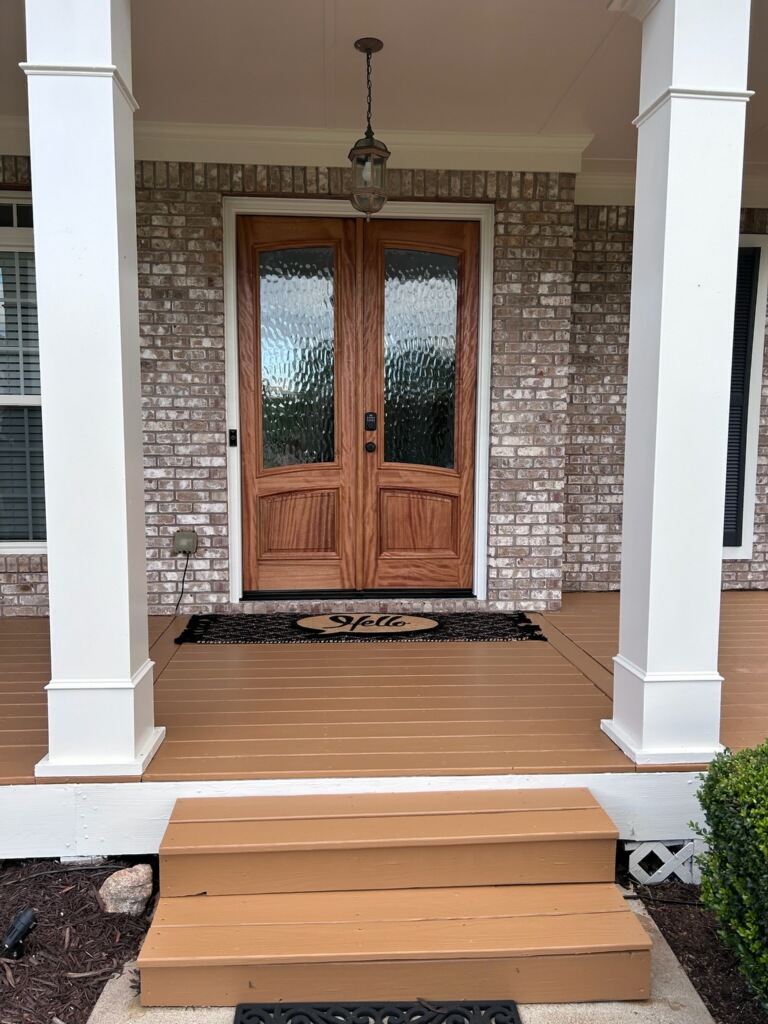
Most material delays happen because of late ordering, relying on special orders when stock would work, poor communication, and no backup plan. Avoid delays by ordering early, asking the right questions, and working with a local building materials supplier who keeps strong inventory.
Material delays cost more than time. They cost trust.
When a job stalls because a door or window is stuck in transit, your client starts asking questions. Other trades get pushed back. The schedule falls apart. And you are the one making phone calls trying to fix it.
This happens to contractors across North Georgia every week. Not because they did something wrong. But because material sourcing has gotten harder in the last few years. Lead times have stretched. Stock has become less predictable.
The good news is that most delays are avoidable. It comes down to how you plan, which building materials supplier you work with, and what questions you ask before the job starts.
Some delays are out of your control. Supply chain issues, manufacturer backups, and shipping problems still affect the industry. But many delays come from things that can be prevented with better planning.
The most common causes include:
Ordering too late. Custom products like doors and windows can take 6 to 12 weeks. Some specialty items take even longer. If you wait until framing is done to place the order, you are already behind.
Relying on special orders when stock would work. Not every project needs a custom product. A good supplier can often match what you need with something already on the shelf. That can cut weeks off your wait time.
Poor communication with suppliers. If your supplier does not know your timeline, they cannot help you hit it. The earlier you bring them into the conversation, the better they can prepare.
Not having a backup plan. Sometimes a product gets delayed no matter what. The question is whether you have another option ready or whether you are stuck waiting.
The best way to avoid delays is to ask the right questions early. Before you commit to a supplier or place an order, get clear answers on these points.
Custom products have their place. But not every project needs them. Understanding when to go stock and when to go custom can save you weeks of waiting.
Stock doors and windows cover the most common sizes and styles. They are ready to go. That means faster turnaround and fewer surprises.
Stock is best when you are working with standard openings, common styles, and tight timelines. Most residential projects fall into this category.
Custom is best when the opening is non-standard, when your client has a specific design in mind, or when code requirements call for something particular. Historic homes and high-end remodels often need custom work.
The mistake is assuming custom is always better. In many cases, stock does the job and keeps the project moving without the long wait.
A supplier with a custom shop on site can also help split the difference. They can modify stock items to fit unusual openings without the long wait of a full factory order.
Big-box stores and national distributors have their place. But when it comes to avoiding delays, local suppliers often have the edge.
A local supplier knows the area. They understand the types of homes being built and remodeled here. They stock products that fit common North Georgia needs. That includes the door styles that sell here and the sizes that match older homes in the region.
They also know the pace of local construction. Spring and summer are busy seasons. A good local supplier plans ahead for that surge and keeps inventory ready.
When something goes wrong, a local supplier can react faster. You can call someone who knows your project. You can drive over and pick up what you need the same day. You can have a real conversation about options instead of submitting a ticket.
Even experienced contractors run into delays. Most of the time, it comes down to one of these patterns.
The contractors who have the fewest delays usually have the strongest supplier relationships.
That does not mean being best friends. It means consistent communication. It means letting your supplier know what is coming so they can prepare. It means giving them a heads up when a big job is starting.
When a supplier knows your business, they can hold products for you. They can alert you to lead time changes before they become a problem. They can prioritize your orders when things get tight.
It also helps to be a good customer. Pay on time. Communicate clearly. Give feedback when something goes wrong. That relationship pays off project after project.
Material delays are frustrating. But they are not random. Most of them come from predictable causes that can be addressed with better planning.
Order early. Ask the right questions. Work with a building materials supplier who knows your area and keeps strong inventory. Have a backup plan for when things do not go as expected.
Do those things, and most delays never happen in the first place.
If you want to talk through what you need for an upcoming project, our team is happy to help. We keep a wide selection of doors, windows, and building materials in stock at our Dawsonville location. When you need something custom, our on-site door shop can often turn it around faster than a factory order.
Give us a call or stop by. We will help you figure out the best path forward.